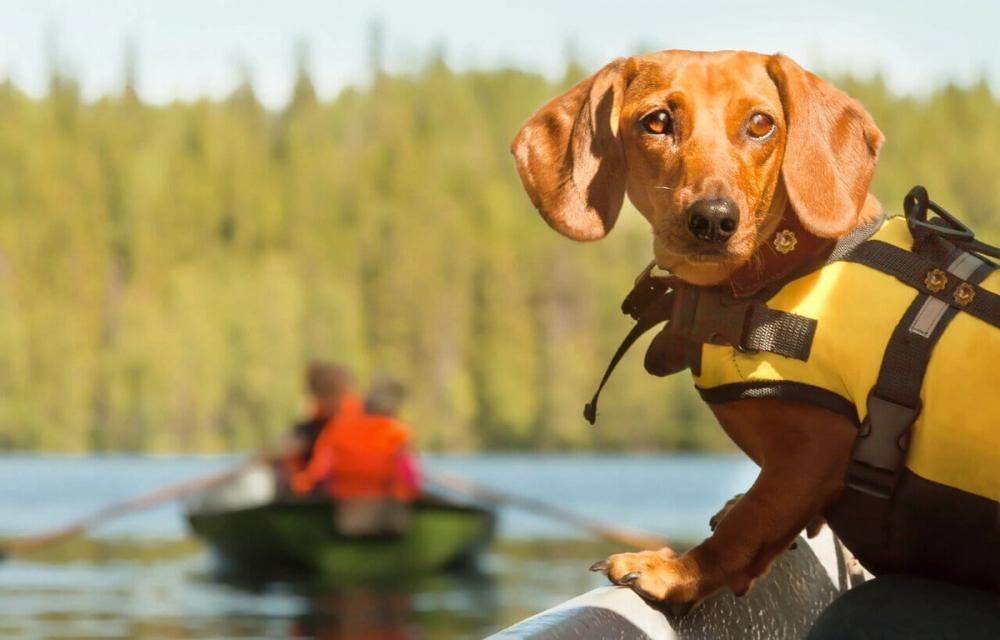

How to prepare for your dog’s first holiday
Date published: 8 Oct 2025


Taking your dog on holiday for the first time and swapping your usual lunchtime walks for new beaches, forest and trails is an exciting time. But just like us, dogs can feel a bit unsettled when their routine changes. New places, new smells, new people can be a lot to take in. With a bit of planning and preparation, you can set your dog up for a stress-free, tail-wagging getaway.
We’ve teamed up with dog behaviourist and training specialist Lindsay Arliss, from Woodgreen Pets Charity, who has shared her expert tips on how to get your dog holiday-ready. From packing to settling in and socialising, here’s how to prepare your pooch and make sure your dog’s first getaway is a wag-worthy success.
Before you go
Dog-friendly holidays start long before you jump in the car. A bit of preparation will help your dog feel safe and secure.
Get the basics sorted
Make sure your dog is up to date with their vaccinations, flea and worm treatments, and has an ID tag with your mobile number. If you’re heading somewhere rural or coastal, look up local vets in case of an emergency.
Pack their creature comforts
“Bring things that smell of home – beds, blankets, and even an old jumper of yours,” suggests Lindsay. “Familiar scents help your dog settle more quickly in a new space.” For a full checklist, check out our dog-friendly holiday packing list.
Practise little changes at home
It’s worth thinking about new rules you might need while staying in holiday accommodation, so you can introduce your dog to them before you go. “Some holiday cottages don’t allow dogs on the furniture, so you may want to invest some time in teaching your dog to get off when asked and to relax in their cosy bed,” says Lindsay.
Check your cottage
Dog-friendly cottages come in all shapes and sizes. Before you travel, have a quick look at the property details – is the garden enclosed? Are there stairs? Knowing what to expect helps you pack and prepare. If your dog is a fence-hopper or door-dasher, you’ll want to bring a long line or a crate.
Travelling with your dog
Long car journeys can be stressful if your dog’s not used to them. Some love a car ride, ears flapping in the wind, while others get car sick or associate it with visits to the V-E-T.
Practise before the big day
“If your dog has only ever done short hops to the park or vet, don’t make their first big journey a four-hour drive to Cornwall,” Lindsay warns. “The best way is to take regular journeys and gradually increase the time travelling,” Lindsay suggests, “Plus, plan your holiday route to factor in toilet and leg stretch breaks.”
Comfort and safety first
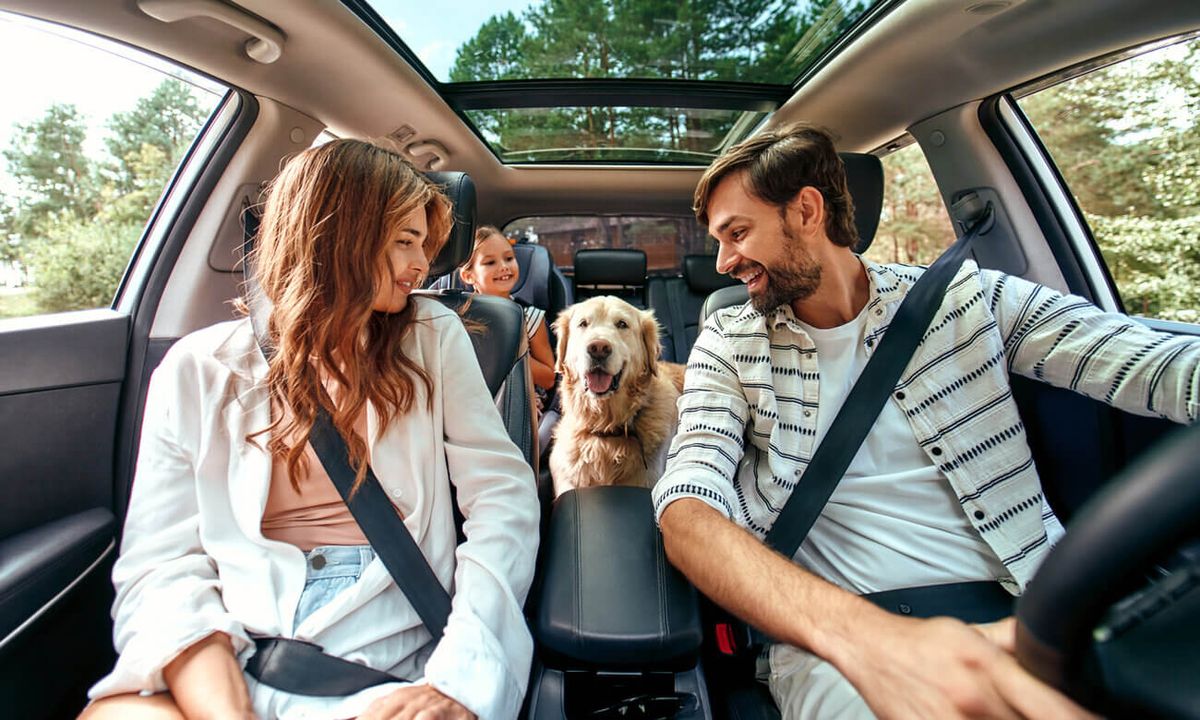
Dogs need to be properly secured in the car, either with a seatbelt harness, crate, or guard. Not only is this the law in the UK, but it also keeps them safe in case of sudden stops. You’ll also want to bring along water, avoid loud music and consider a chew or favourite toy if your dog’s feeling anxious. Lindsay also recommends the use of an anti-anxiety product like Pet Remedy, which can help dogs settle.
Watch out for travel sickness
Just like humans, some dogs get car sick. Feeding a smaller meal a few hours before travel and keeping the car well-ventilated can help. “Some dogs cope better on the back seat rather than inside the boot,” says Lindsay. But if it’s a recurring problem, your vet should be able to recommend solutions.
Another top tip is to plan your breaks ahead of time. Take a look at our round-up of the UK’s most dog-friendly motorway service stations. Some are super pup-welcoming, with farm shops, scenic lakes for walkies, and dedicated dog-walking paths.


Settling your dog in
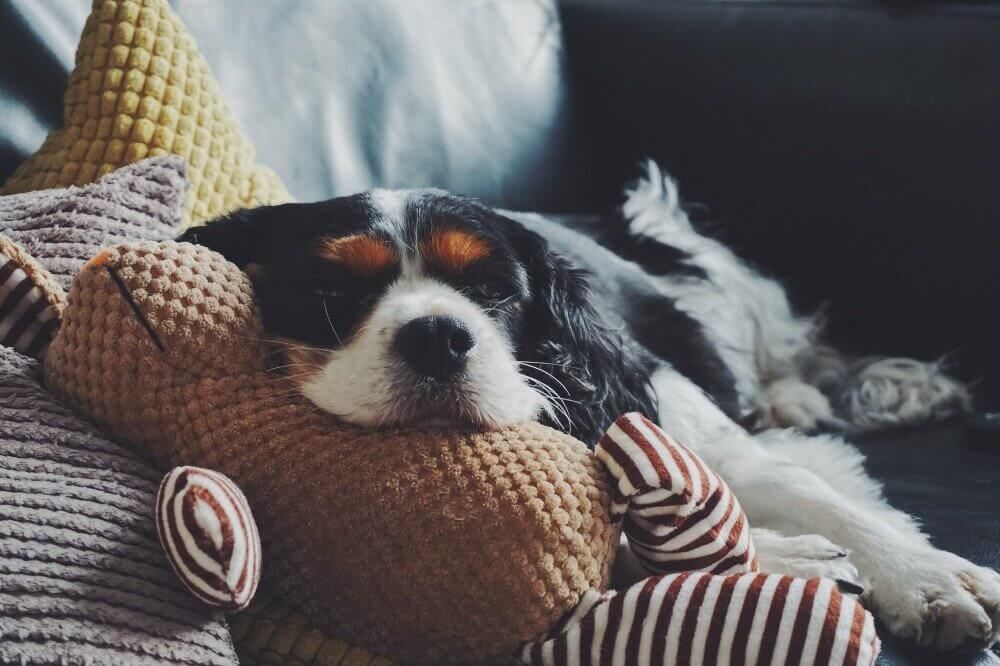
When you arrive, give your dog time to explore. Let them sniff each room and find their bearings before you fully unpack. Set up their bed in a quiet spot and unpack their favourite belongings. It can also be a good idea to feed them soon after arriving, as eating is often a sign of comfort and normality.
Lindsay recommends “sticking to their regular feeding, walking and bedtime routines”. Plus, if your dog is prone to barking at outside noises, consider leaving the TV on low to help muffle any unfamiliar sounds while they settle in.


Socialising and new experiences
One of the joys of a dog-friendly holiday is exploring somewhere new together. But while you might love a busy seaside town or café, your pup might feel overwhelmed.
Introduce novelty in small steps
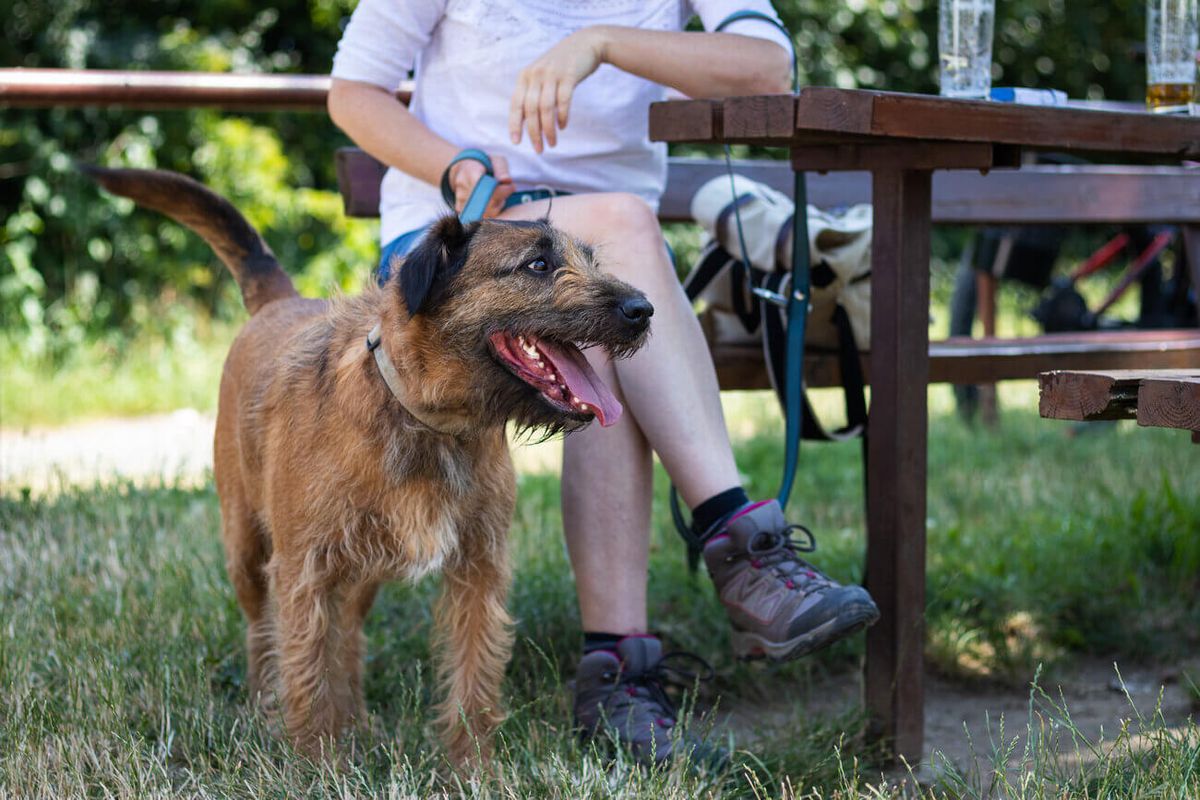
The best time to introduce a dog to new experiences is when they’re a puppy, but you can teach an older dog to adapt to these experiences, too. If you’re planning to eat out a lot, try to take your pup on some meals out at home first. “Taking a blanket and chew may help your dog settle down,” says Lindsay. Another good tip is to start with quieter times of day – an early morning beach walk before it gets busy, or a visit to a pub mid-afternoon when it’s calmer.
Keep an eye on your dog’s body language
Keep an eye out for signs that your dog is getting tired or overwhelmed – lots of yawning, lip licking, turning away, or trying to hide behind you. “Dogs who are struggling may show subdued body language, be reluctant to respond to their name, or refuse to eat,” Lindsay warns. “Many people interpret this as the dog being naughty, but most of the time the dog is struggling and needs support.” Lindsay recommends giving them a little time to relax, whether it’s heading back to the car or sitting somewhere quiet.
Make sure their recall’s rock solid
Even if your dog has a great recall at home, new environments are full of distractions. Before you go, brush up on recall training so your dog comes back reliably. “Using a long line to prevent them ignoring your recall and working on basic training like loose lead walking can help your holiday go smoothly,” Lindsay advises.
Tips for eating out
Dog-friendly holidays often involve pub or café trips, local attractions and dinners out. Here’s how you can make it enjoyable for everyone involved:
- Bring a mat or blanket
- Offer them a chew or their favourite toy to play with
- Choose quieter times if your dog is easily spooked
- Reward calm, settled behaviour with treats and praise


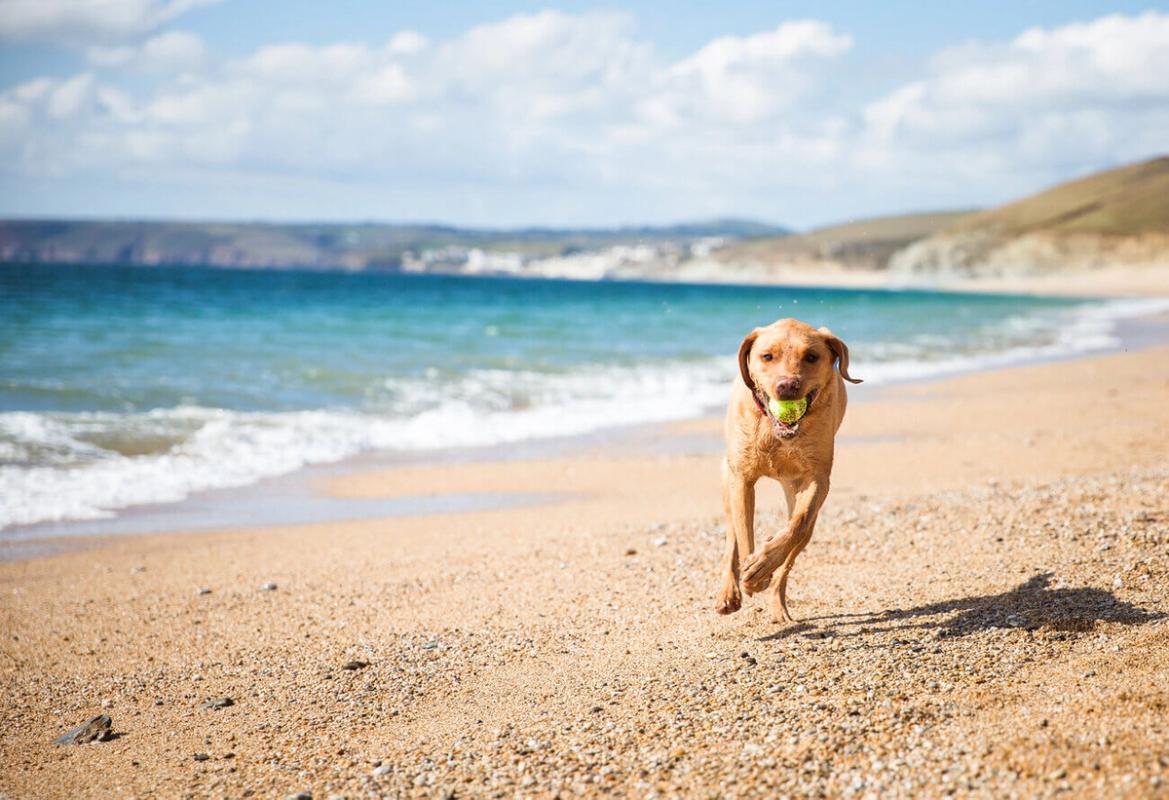
Extra tips for a stress-free trip
A good “leave” cue could be lifesaving
“Holiday destinations can be very busy, with litter and potentially dangerous items within your dog’s reach,” says Lindsay. So don’t underestimate the importance of training!
Stick to lead and local rules
Some beaches have seasonal dog bans, and livestock areas often require dogs to be on lead. Look up restrictions before heading out.
Check the weather
If you’re going somewhere hot, pack cooling mats, plenty of water, and avoid walking in the midday sun.
Plan ahead for dog-friendly days out
“Plan activities and meals ahead, making sure pubs, trails, cafés and beaches are dog friendly,” recommends Lindsay. That way, you’re not scrambling for ideas on the day.
With a bit of prep, patience and Lindsay’s expert advice, you’ll be setting the scene for a happy holiday with both humans and hound. Browse our dog-friendly cottages, plan those walks, pack those treats, then get ready for your best adventure yet.


Meet the author
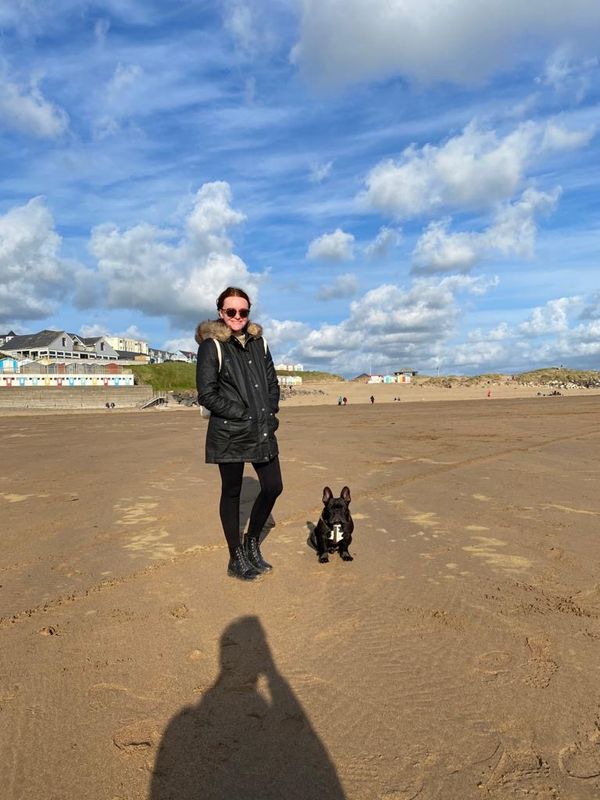
Annabel JacksonAnnabel loves exploring new parts of the UK with her family, including French bulldog, Albie. They’re regular visitors to North Wales and Norfolk, but have also made some paw-some memories in the Peak District, Cotswolds, Highlands and Cornwall.