

Puppy checklist – How to prepare for a new dog
Date published: 16 Jan 2026


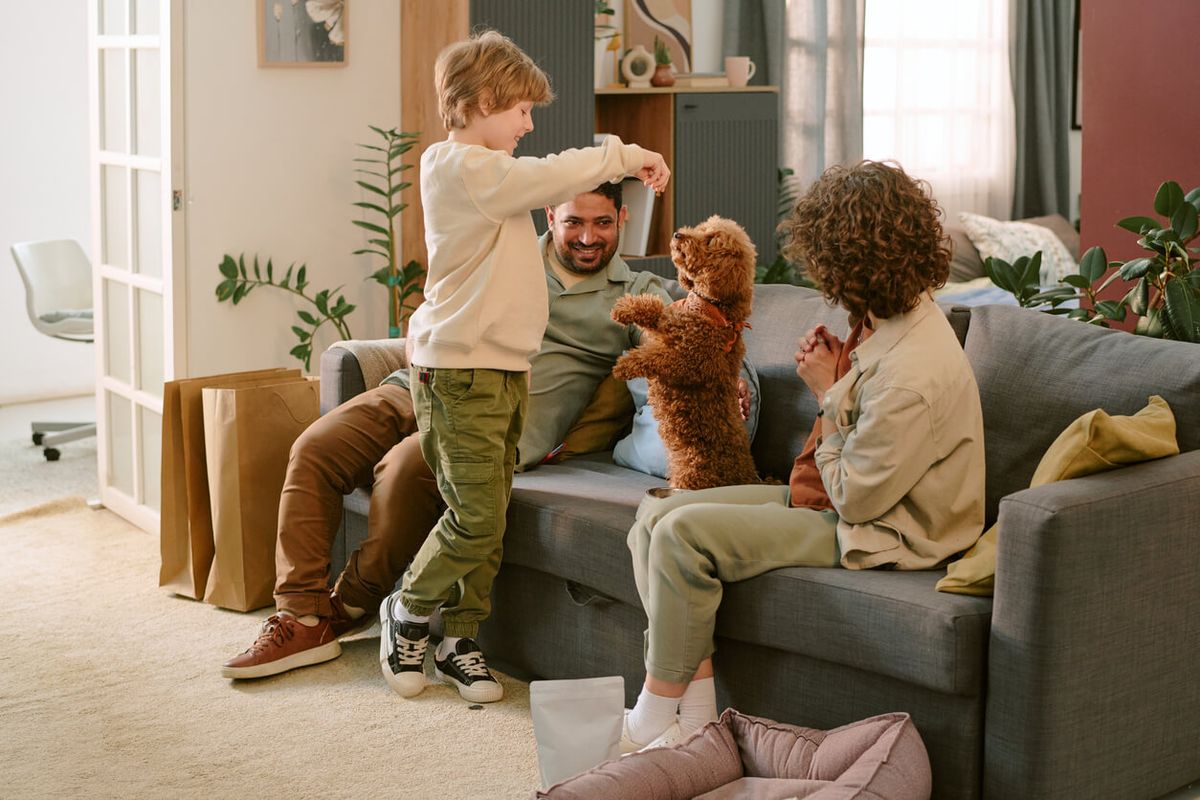
Bringing a puppy into your home is one of life’s most exciting adventures. That tiny bundle of fur is bound to bring joy, laughter, and yep, a little chaos. Whether you’re planning a visit to a dog-friendly cottage or simply settling in at home, getting ready for a new puppy is all about preparation. To help, we’ve put together a puppy checklist with expert advice and practical tips for making your home welcoming and safe for your new furry friend.


1. Puppy proof your home
Before your new dog arrives, take a careful look around your home from a puppy’s perspective. Puppies are naturally curious and will chew, nibble, and explore everything they can reach. Consider:
- Removing hazards – keep electrical cords, small objects and toxic plants out of reach.
- Secure rubbish and cleaning supplies – puppies can get into bins and bottles before you even know it.
- Create safe spaces – invest in a playpen or baby gates to restrict access to certain areas until your puppy is confident and trained.

2. Stock up on puppy essentials
Once your home is safe, it’s time to gather the essentials. Your puppy will need the basics for comfort, feeding and play. Here’s what we recommend:
- Food and water bowls – stainless steel or ceramic are durable and easy to clean.
- High-quality puppy food – ask your vet for recommendations based on breed, age and dietary needs.
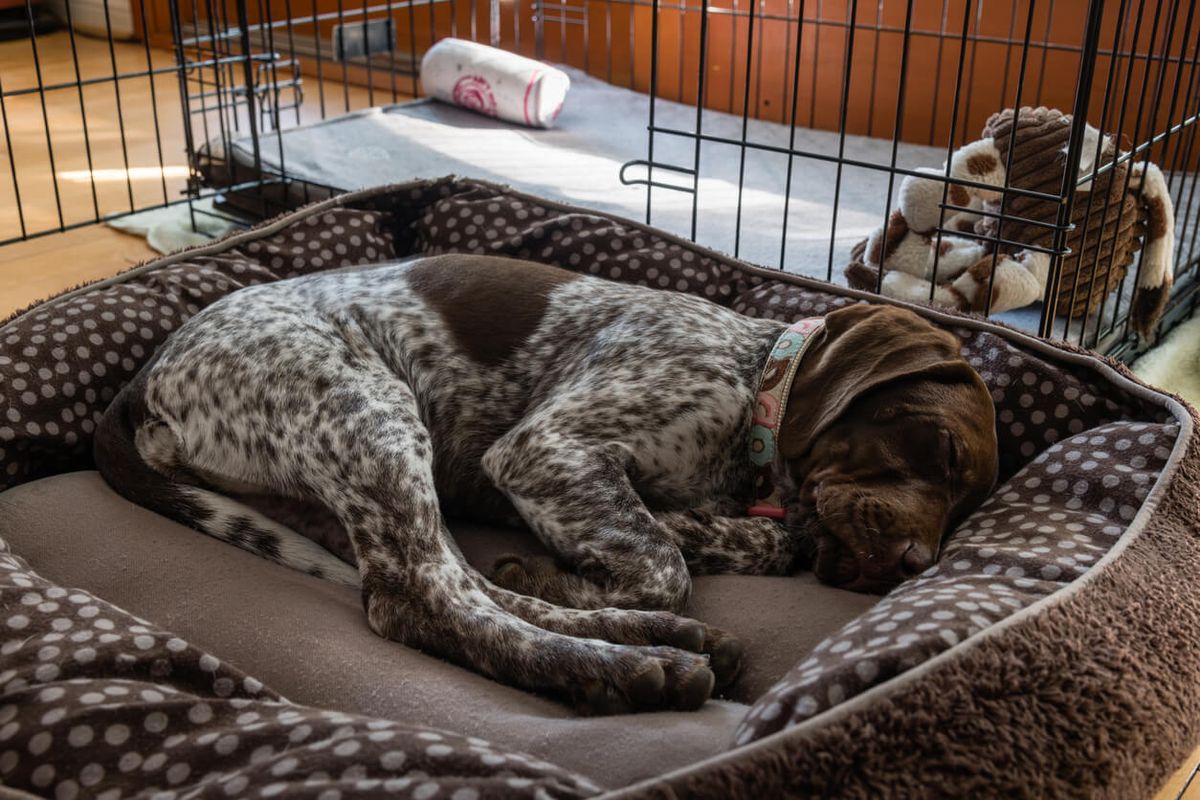
- A comfy bed – puppies sleep a lot, so a soft, supportive bed is crucial.
- Collar, harness, and lead – make sure the collar fits comfortably and the harness doesn’t restrict movement.
- ID tag and microchip – vital for safety, especially if you plan to take your puppy for walks or on holiday.
- Chew toys and interactive toys – to satisfy their natural chewing instincts and provide mental stimulation.
- Grooming supplies – a brush suited to your puppy’s coat, nail clippers, and gentle shampoo.
- Crate or travel carrier – essential for travel and a safe space for your puppy at home.


3. Prepare for training
Training is a key part of welcoming a new puppy. While puppies are naturally eager to please, they still need guidance to learn boundaries and good behaviour. Here are some things to consider:
- House training supplies – puppy pads, cleaning spray for accidents and a consistent routine. To avoid accidents, try setting an alarm to let them out at regular intervals.
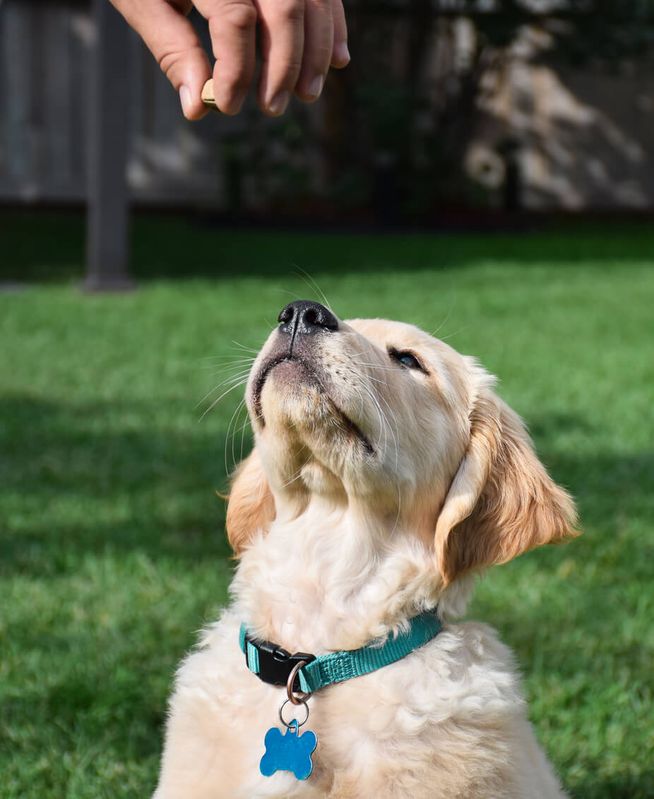
- Training treats – small, soft treats work best for positive reinforcement. And trust us, you’ll need a lot of them…
- Basic commands – start with sit, stay, come, and down. Consistency is key, and short training sessions work better than long ones.
- Socialisation opportunities – exposure to different people, dogs and environments will help your puppy grow into a confident adult dog.

4. Schedule vet visits
A visit to the vet should be high on your puppy checklist. Your new dog will need:
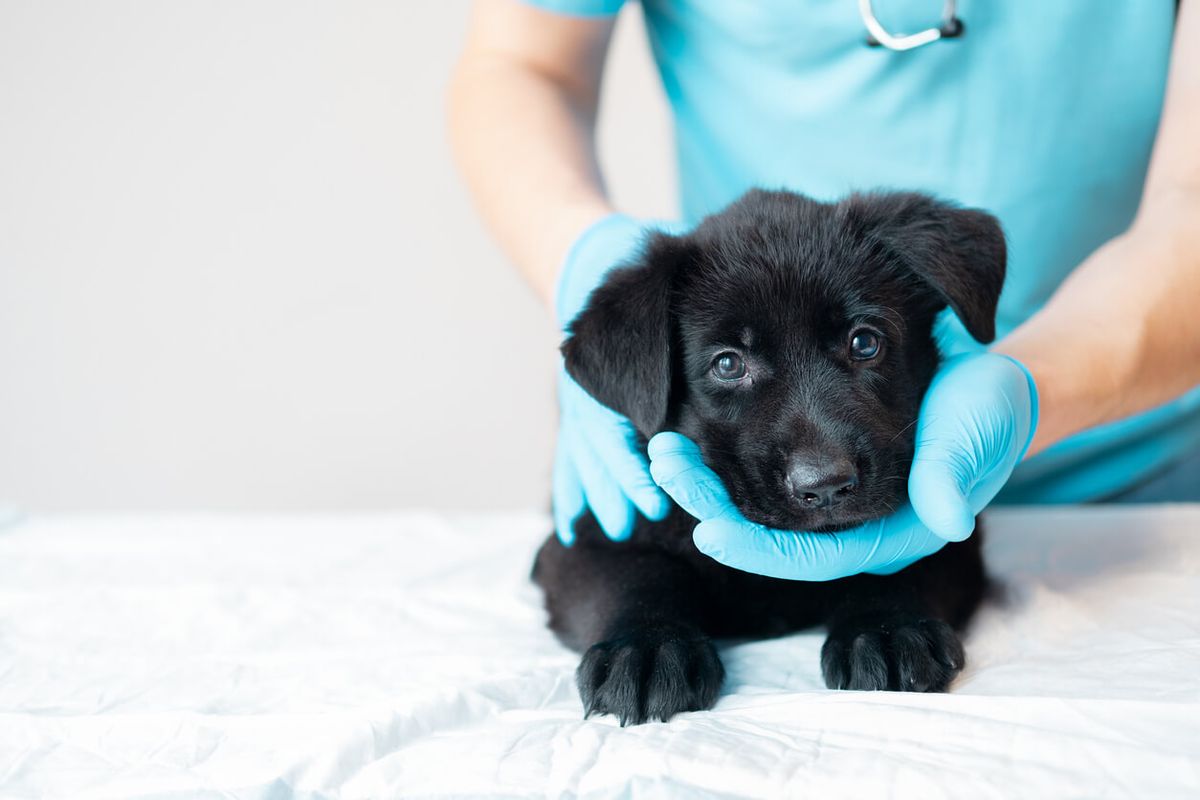
- Initial health check – to ensure your puppy is healthy and ready for vaccinations.
- Vaccinations – usually starting at 6–8 weeks, including core vaccines like parvovirus, distemper and hepatitis.
- Microchipping and ID – an important safety measure in case your puppy gets lost.
- Parasite prevention – flea, tick and worm treatments are essential for young dogs.

5. Prepare for socialisation and walks
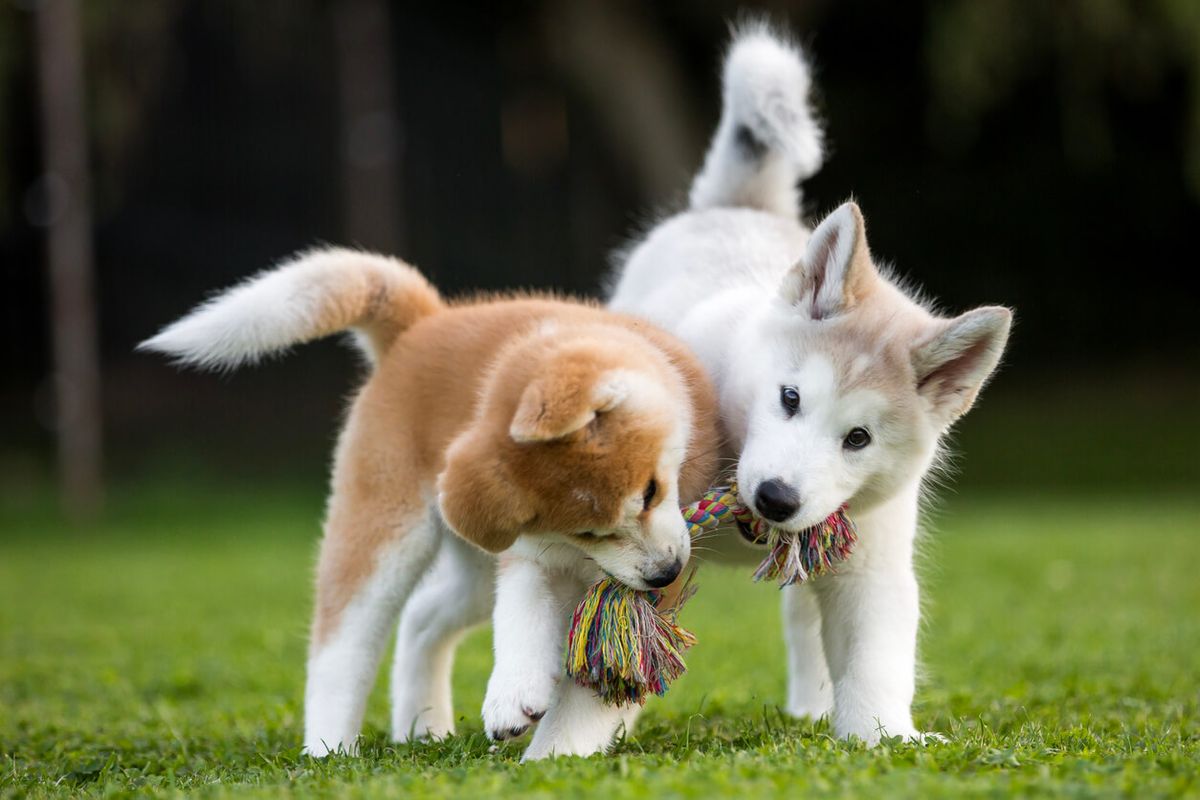
Puppies need exercise and stimulation, but it’s important to start gradually. Plan:
- Short, frequent walks – help your puppy build stamina without overexertion.
- Interaction with people and other dogs – carefully supervised to build social confidence. This is key to reducing fear and anxiety in adulthood.

6. Plan for feeding and routine
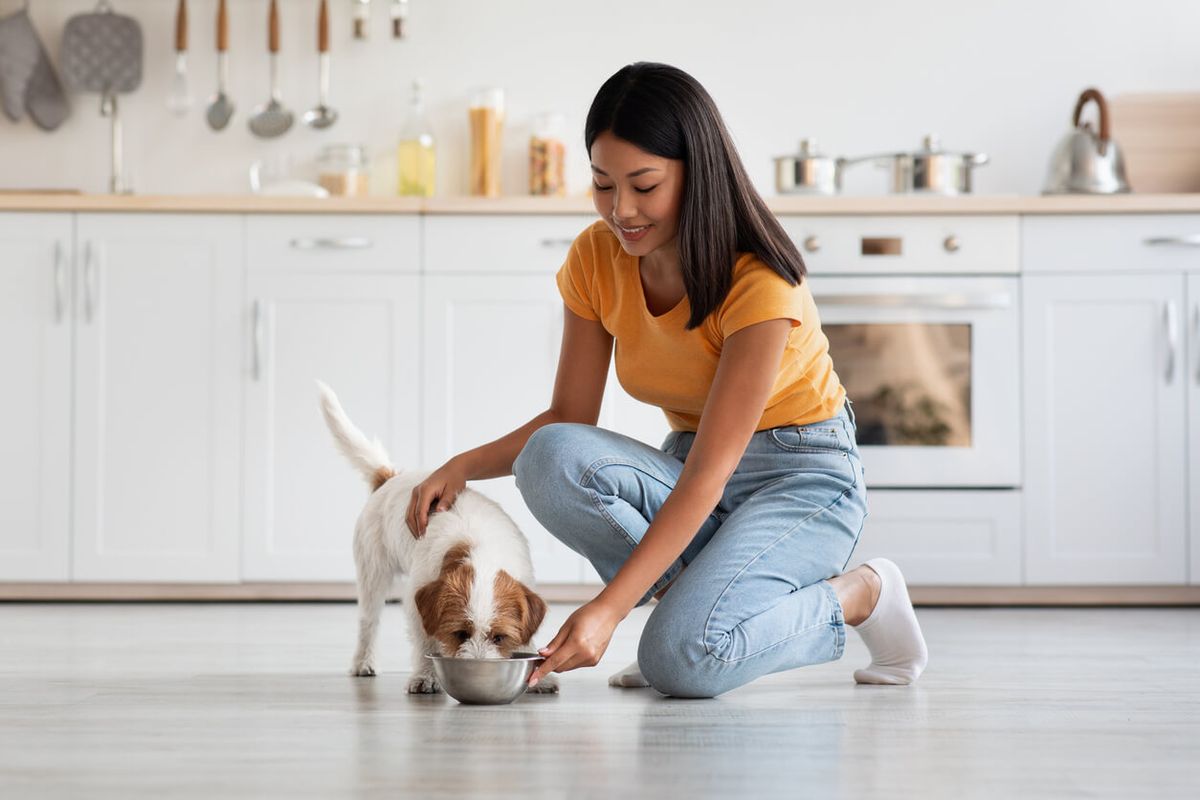
Puppies thrive on consistency, so establishing a feeding and bathroom routine early is vital:
- Feeding schedule – most puppies eat three to four times a day, so make sure to plan ahead if you’re out and about or on holiday. Follow vet advice for portion sizes.
- Designated toilet area – whether in the garden or on puppy pads, consistency helps with house training.
- Play and rest – puppies are like newborns – they need a lot of sleep. Think between 18-20 hours a day in their first few months.


7. Prepare yourself
Welcoming a puppy isn’t just about toys, beds and bowls – it’s about preparing yourself too. Puppies require time, attention and patience. Ask yourself:
- Do you have enough time? – puppies need several hours of interaction and supervision each day. It’s a good idea to take some time off work for the first week or two at least.
- Can you manage training and socialisation? – consistency is key at this stage.
- Is your home ready for some chaos? – chewed shoes, accidents and sleepless nights are all part of the adventure!


8. Puppy-proof your travel plans
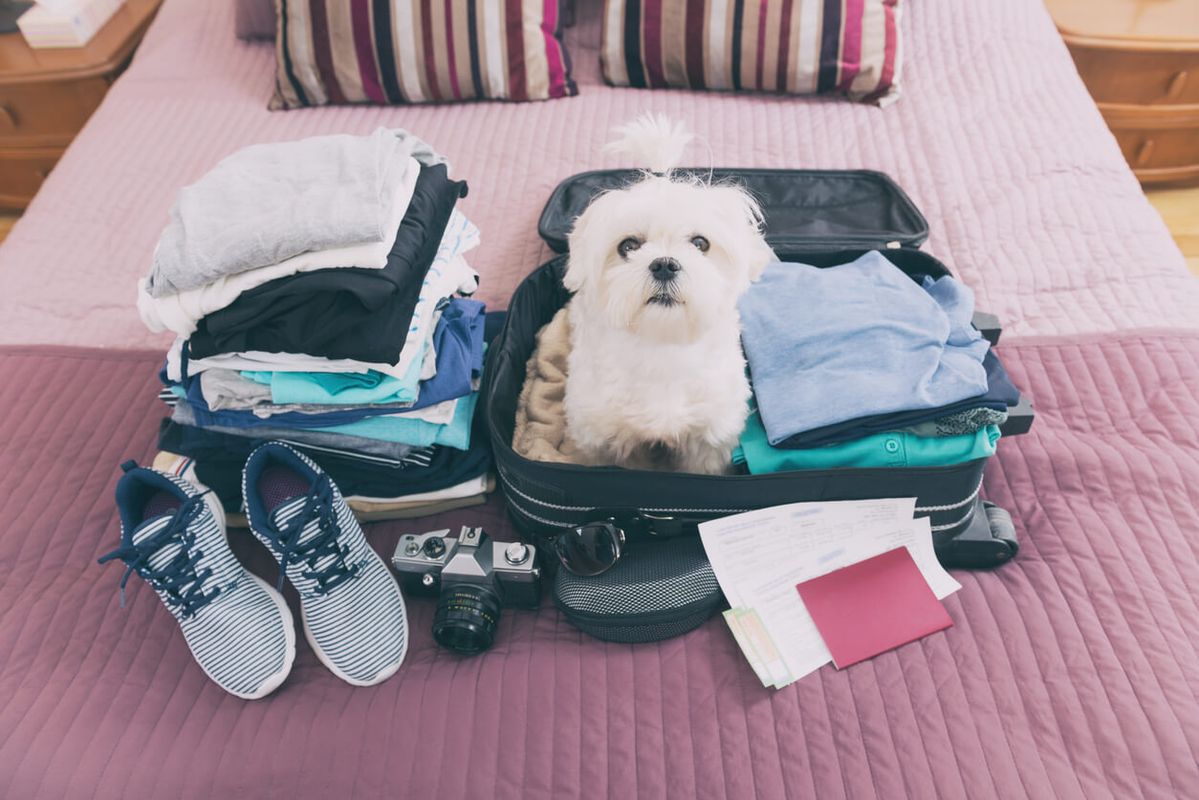
If you’re planning on taking your pup to a dog-friendly cottage, preparation is essential:
- Check pet policies – ensure the cottage welcomes puppies (some properties might only welcome older dogs or those that have been neutered) and understand any rules.
- Pack travel essentials – food, bowls, bedding, toys, and a travel crate.
- Plan for safety and comfort – ensure your puppy is comfortable in the car or on public transport.


9. Stock up on first aid essentials
Accidents happen, so having a puppy first aid kit is a must, especially when on holiday. Include:
- Bandages and antiseptic – for minor cuts and scrapes.
- Tweezers – for removing splinters or ticks.
- Pet-safe medications – like flea treatments or anti-itch creams (consult your vet first).
- Emergency contacts – know the nearest emergency vet to your home or dog-friendly cottage, if you’re on holiday.


10. Enjoy the journey
Finally, it sounds cliché, but puppies grow quickly, and these early weeks are precious. Take photos, celebrate small victories, and enjoy the bond that develops as you train, play and cuddle together.
By following this puppy checklist, you’ll create a safe, loving environment for your new furry companion and make the transition smoother for the whole family.
Some tips from the Dog Friendly Cottages team:
Annabel, mum to Albie, says: “Borrow or buy a baby carrier. Might sound silly, but too much exercise can be harmful for puppies. They only need around five minutes for each month of age, so a four-month-old would only need 20 minutes at a time. The carrier will come in handy when you fancy a longer walk.”
Katie, mum to Blue, says: “Think about investing in a heartbeat teddy bear to create their mum’s heartbeat, or their siblings. It can really help with settling them to sleep in those first few weeks in their new home!”
If you’re already thinking about your pup’s first staycation, have a browse of our dog-friendly cottages across the UK. We’ve got everything from remote cabins and lodges with hot tubs to coastal cottages and properties with enclosed gardens.


Meet the author
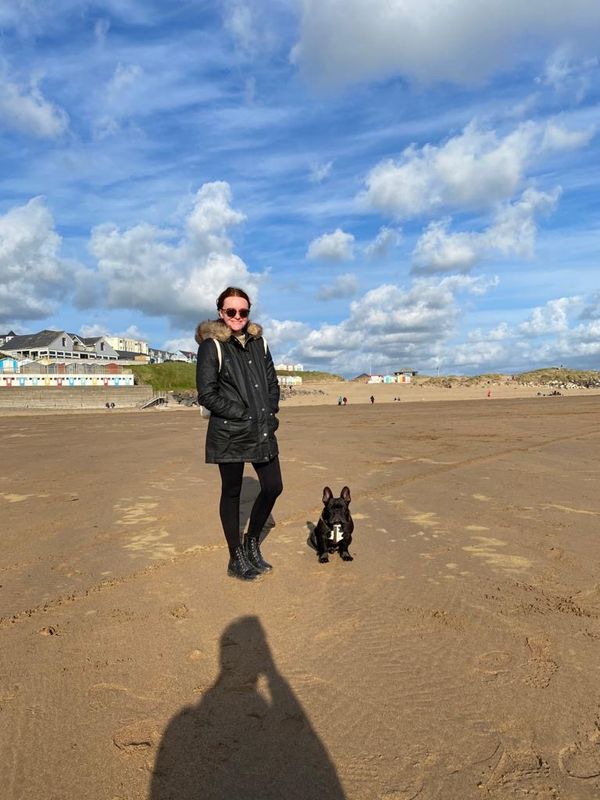
Annabel JacksonAnnabel loves exploring new parts of the UK with her family, including French bulldog, Albie. They’re regular visitors to North Wales and Norfolk, but have also made some paw-some memories in the Peak District, Cotswolds, Highlands and Cornwall.